

Six interconnected outdoor escalators stretching 384 meters carry visitors up the steep slopes of this former cartel stronghold. Replacing a grueling 28-story climb, this modern infrastructure opens into a neighborhood filled with large-scale street murals, live breakdancing crews, and panoramic views of the Aburrá Valley.
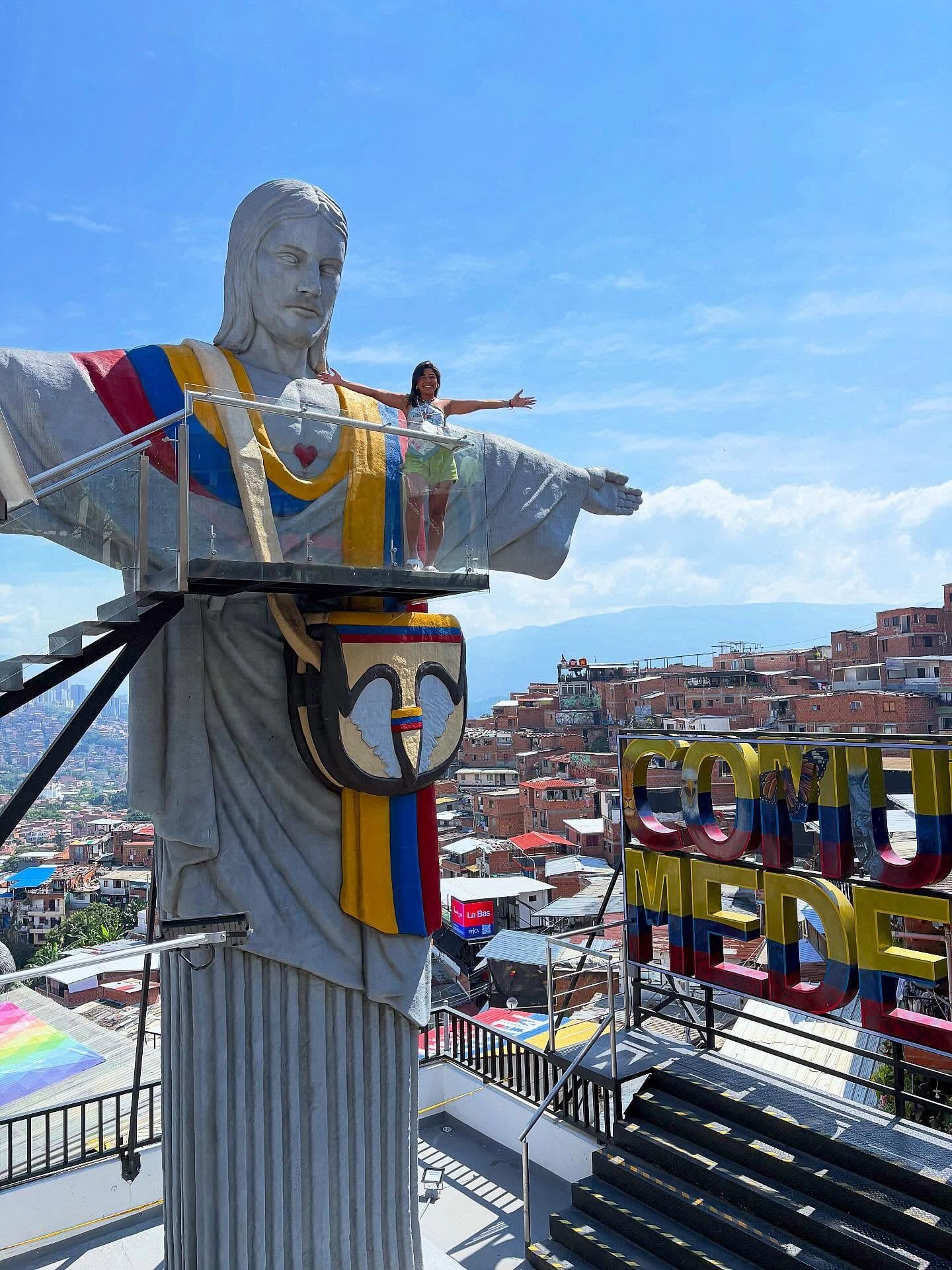
Find Guided ToursComuna 13, formally known as San Javier, is one of the 16 communes of Medellín, Colombia. Positioned on the steep western hills of the Aburrá Valley at an altitude of 1,495 meters, this neighborhood of roughly 160,000 residents has undergone a radical transformation. Once classified among the most dangerous districts globally, it now serves as an open-air art gallery and a global symbol of urban resilience. The area draws approximately 90,000 visitors a month, attracted by its large-scale street murals and community-centered tourism.
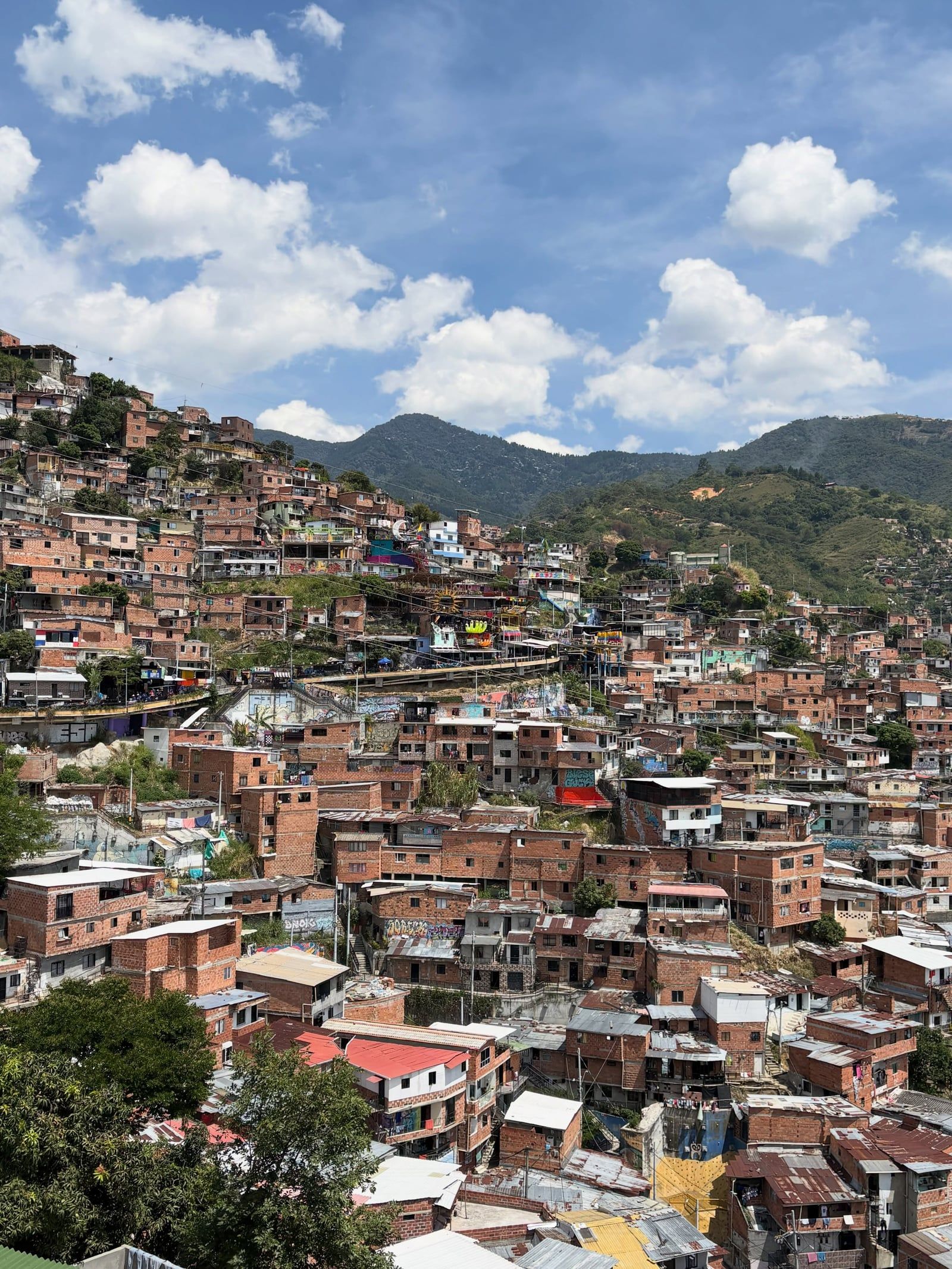
The neighborhood's origins trace back to the 1800s when it was a farming hamlet called "Las Granjas." It transitioned into residential cooperative housing in 1946. Over the following three decades, families fleeing rural violence in the Antioquia region arrived in waves, establishing informal settlements. They built tightly packed brick homes along the steep, winding hillsides. This elevated and maze-like topography later became a strategic advantage for criminal organizations.
During the late 1980s, the district earned the moniker "La Cuna de Pablo Escobar" due to its use as a strategic corridor for drug trafficking. Following Escobar's death in 1993, guerrilla groups seized control of the territory. The Colombian government responded with intense military interventions in 2002. The most notable was Operation Orion, a massive assault involving over 1,500 troops that left a legacy of executions and forced disappearances.
Today, the commune honors this difficult history through social innovation and public infrastructure. The city installed a 384-meter network of outdoor electric escalators to help residents navigate the steep terrain. These six interconnected moving walkways replaced over 350 concrete steps, reducing a grueling 30-minute, 28-story climb to a six-minute ride. Alongside the sprawling street art that depicts themes of peace and historical memory, this infrastructure stands as a landmark model for social equity.
Discover the full history and cultural significance on our About page.
Six interconnected electric walkways scale the steep hillside, covering a distance of 384 meters. This public infrastructure replaces a grueling 28-story climb with a smooth six-minute ride. Passengers glide past precarious brick homes, observing the daily life of this high-altitude Andean neighborhood.
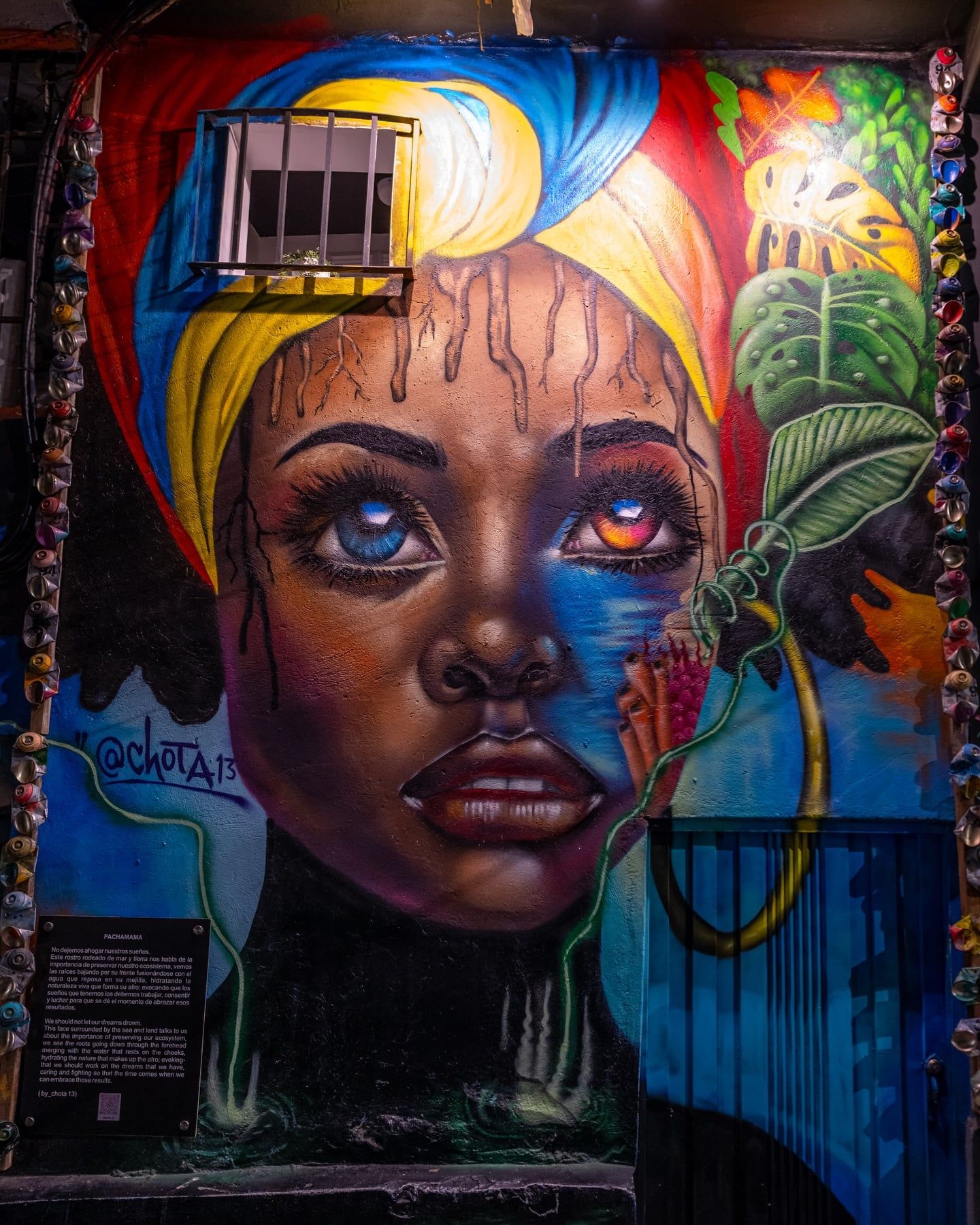
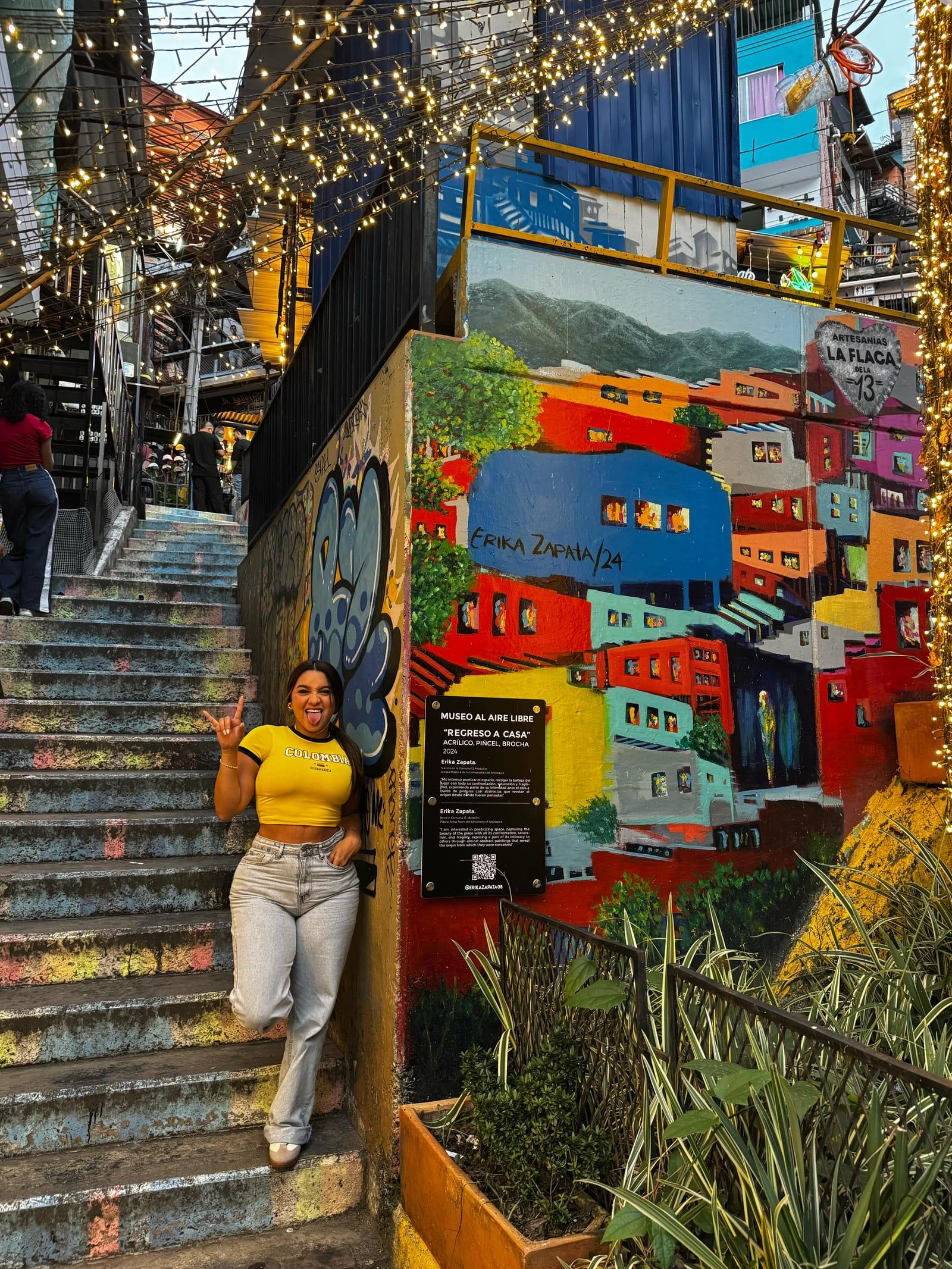
The Las Independencias and Veinte de Julio sectors act as an open-air gallery. Local artists paint dozens of large-scale murals documenting the commune's history, including the 2002 military operations involving over 1,500 troops. These works serve as public records of urban resilience and historical memory.
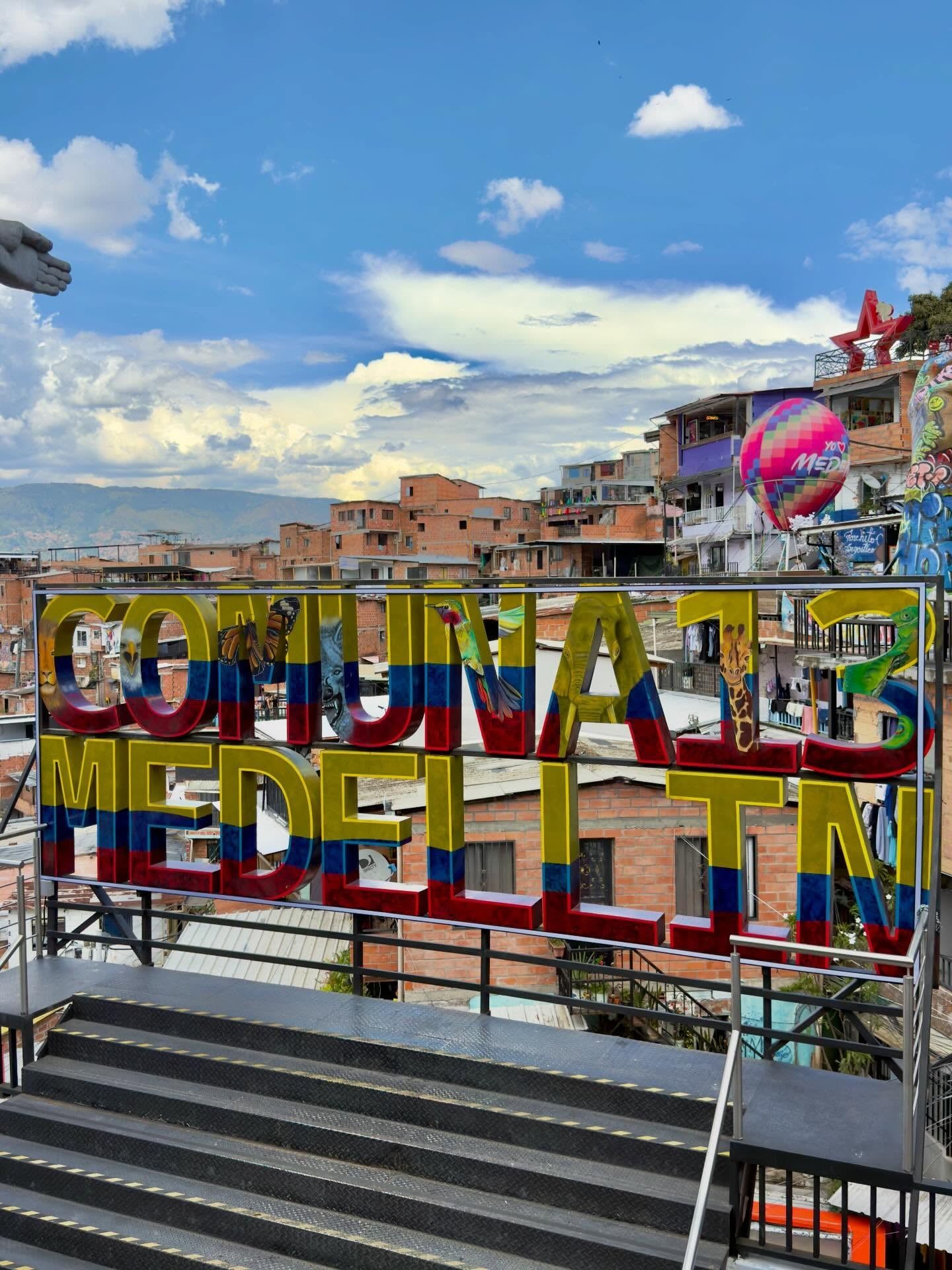
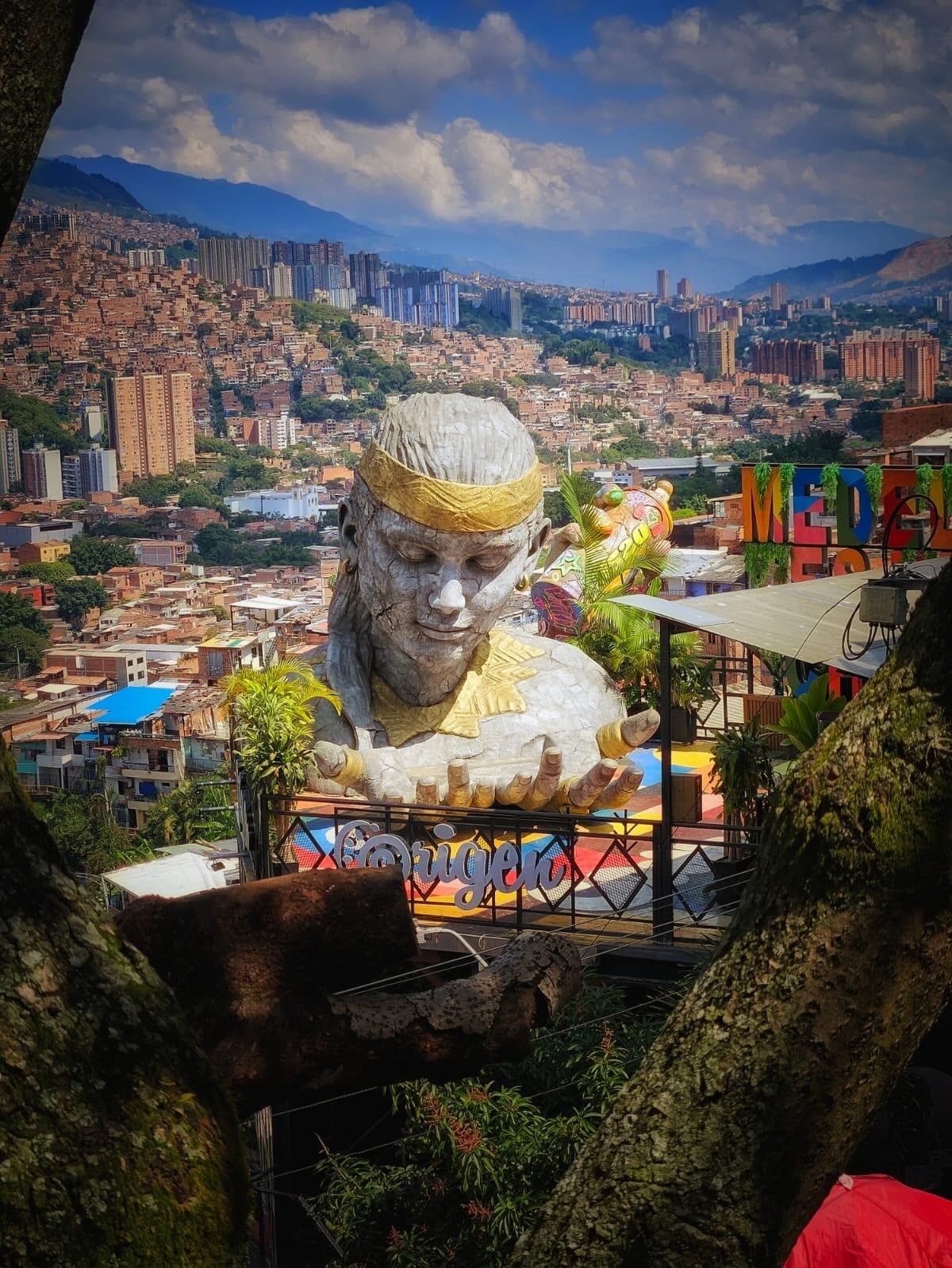
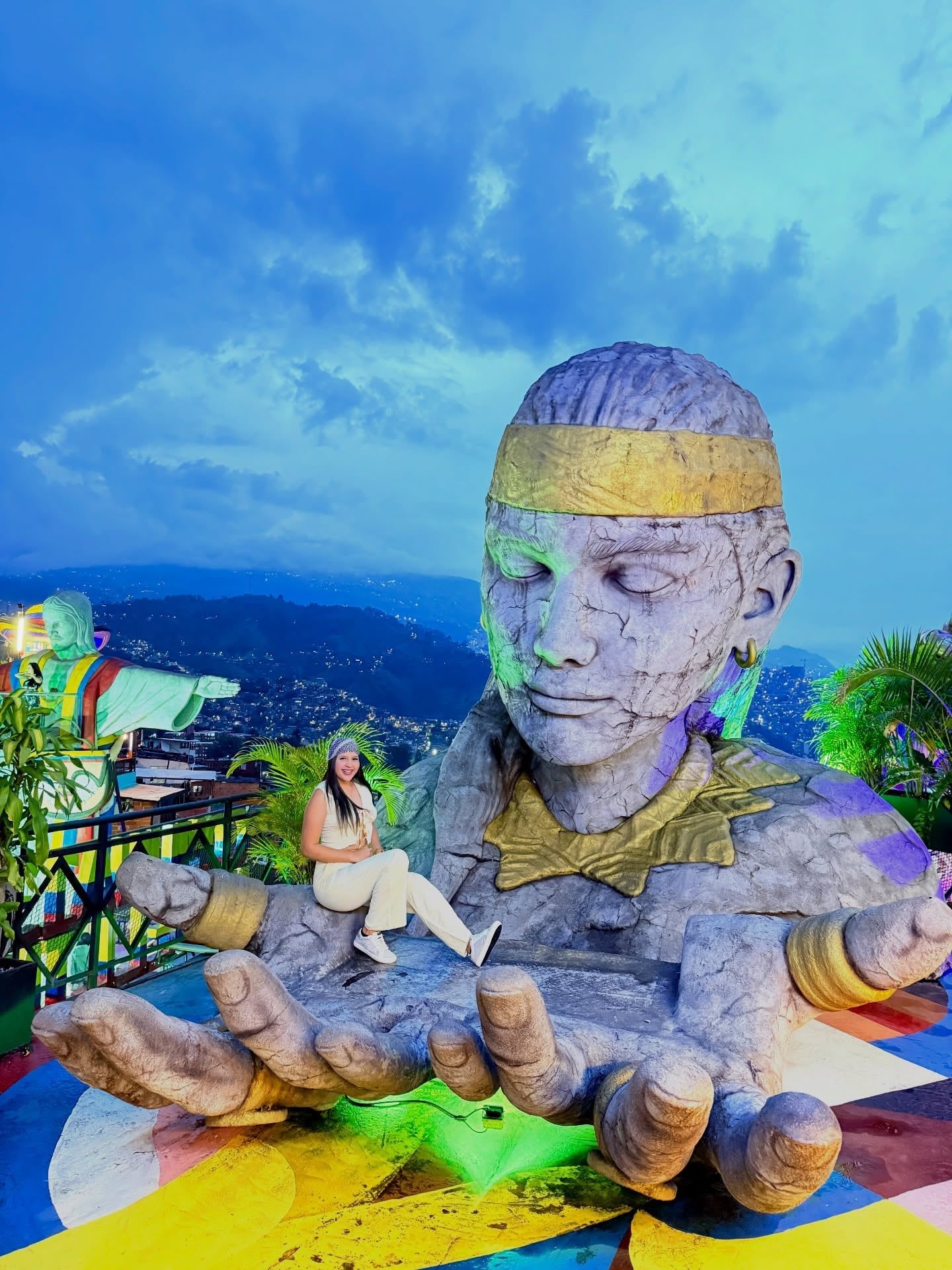
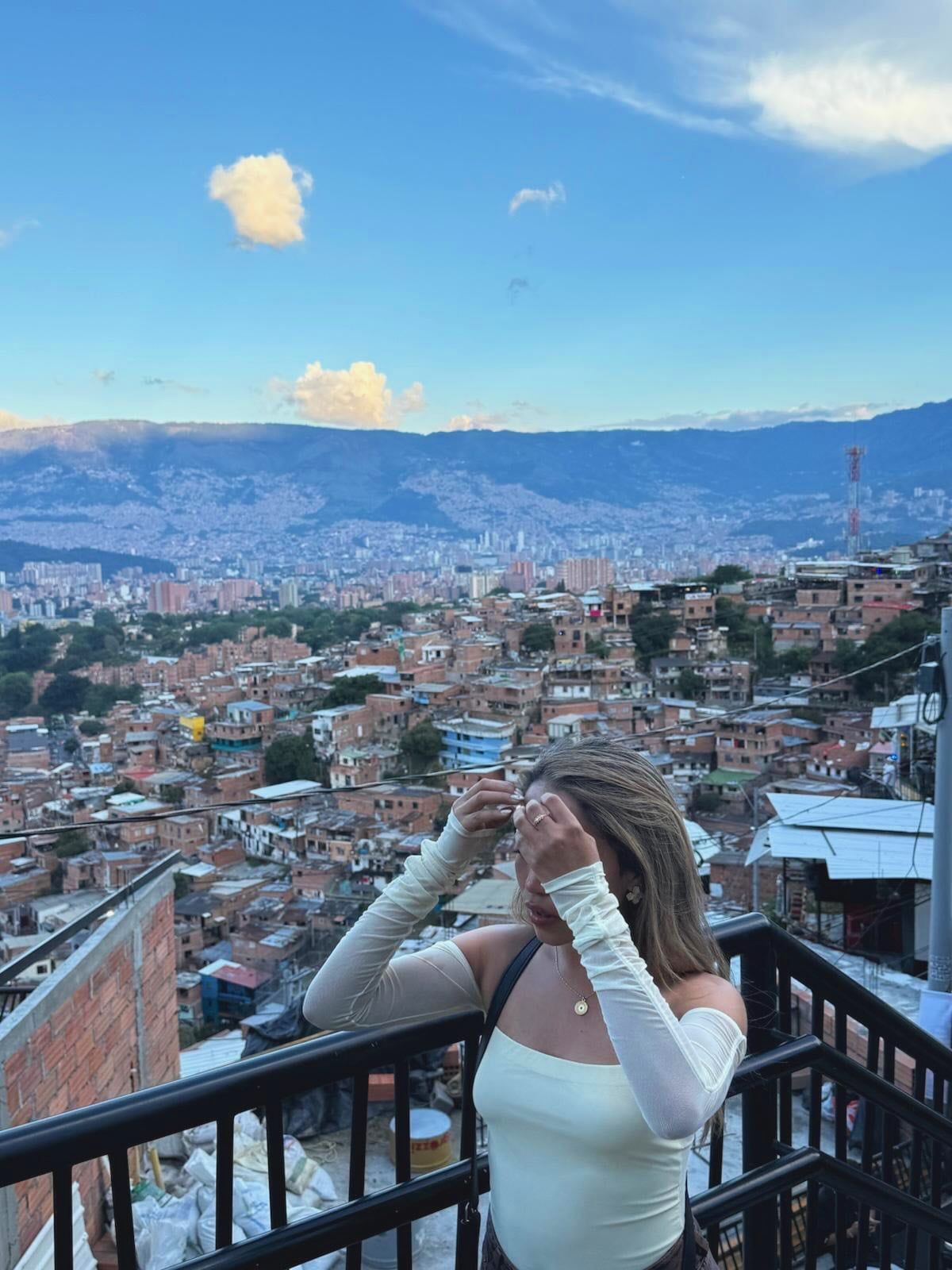
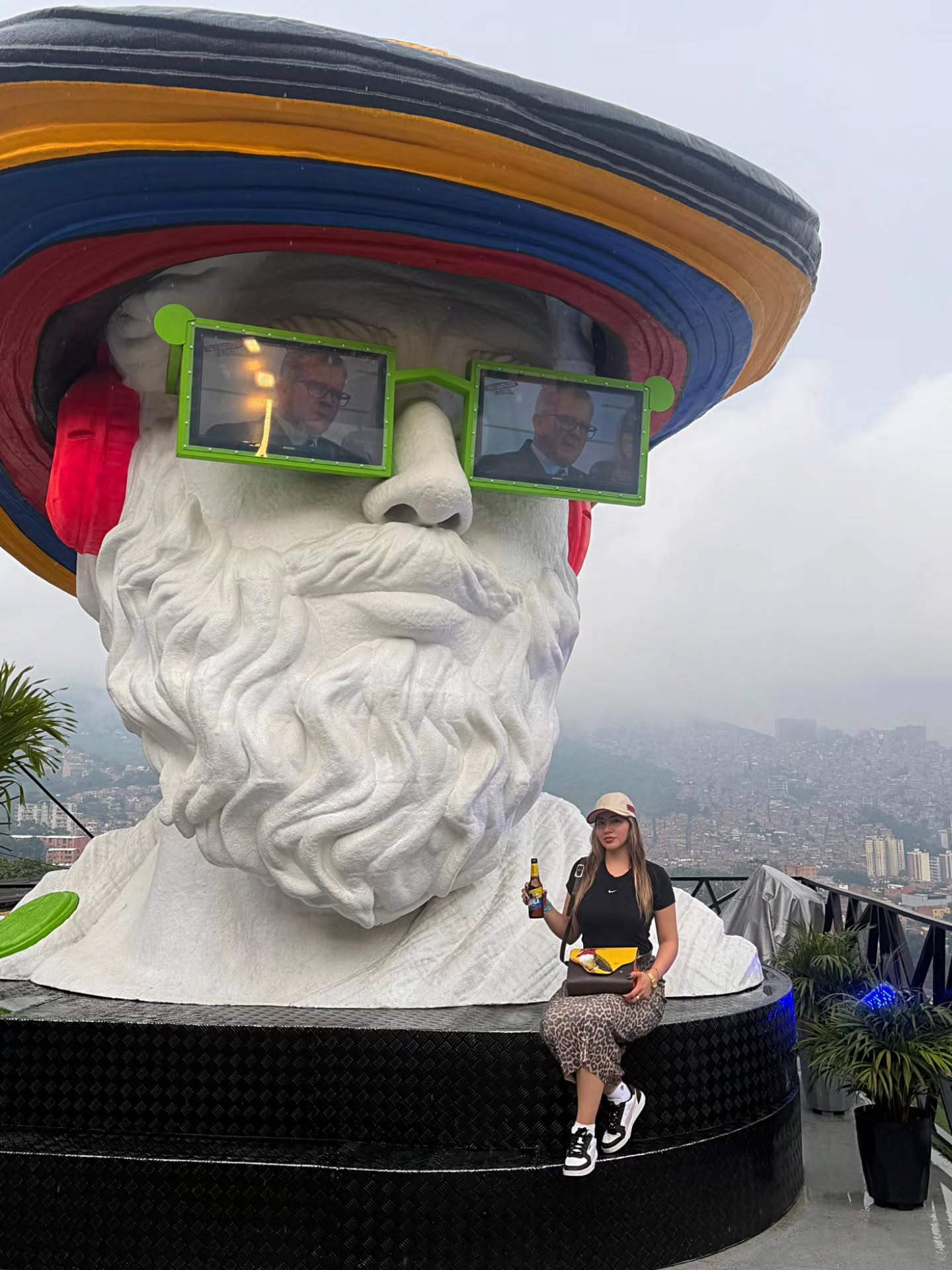
Located high on the western outskirts of the Aburrá Valley, this lookout provides sweeping views across Medellín. At an altitude of 1,495 meters, visitors can stand beside the oversized neighborhood sign and watch the city lights illuminate the mountains as twilight approaches.
Youth culture defines the neighborhood's narrow, maze-like alleys. Rap groups and breakdance crews regularly perform under corrugated iron canopies, filling the streets with booming beats. These high-energy shows provide a direct look into the social innovation driving the community of around 160,000 residents.
Hand-picked tours with free cancellation and verified reviews
 Free Cancellation 3h
  Free Cancellation
  Free Cancellation
  Free Cancellation 3h
  Free Cancellation 3h
  Free Cancellation
  Free Cancellation 4h 30min
  Free Cancellation 5h
 Weekday mornings at 9:00 am or 10:00 am are the optimal times to visit Comuna 13. Arriving early helps visitors avoid the peak 32°C afternoon temperatures and bypass the massive weekend crowds that contribute to 90,000 monthly tourists.
Specific calendar months are absent from the research. Tours operate daily year-round, but visitors must avoid rainy days when the steep concrete steps and electric escalators become dangerously slippery.
The data does not identify specific summer months. For any year-round visit, weekday mornings are recommended to avoid severe overtourism on weekends and the intense 32°C mid-afternoon heat.
Without specific months detailed, general year-round advice applies. Morning visits provide better visibility before high humidity and low clouds obscure panoramic views from the elevated hillside viewpoints.
Calendar months remain unspecified. Guided tours run daily throughout the year, though weekends and holidays are consistently the worst times to visit due to overwhelming tourist crowds.
As a public neighborhood, Comuna 13 does not have official gated closing hours or seasonal closures. However, visits are strictly recommended during daylight hours, typically between 9:00 am and 4:00 pm. Weekday mornings starting around 9:00 am are ideal to avoid heavy afternoon crowds and peak temperatures reaching 32°C. Exploring the area after dark is strongly discouraged due to increased security risks.
| Category | Price |
|---|---|
| General Entry (Public Areas & Escalators) | Free |
| Free Walking Tours (Suggested Tip) | $12 to $15 USD (30,000 COP) |
| Paid Group Tours | $14 to $29 USD |
| Private Tours (with transportation) | $37 to $190 USD |
No official government permits or entry tickets are required to visit the public areas. However, all guided tours must be booked in advance to secure a spot with local guides and coordinate group sizes.
For complete schedules and ticket prices, visit our Hours & Fees page.
Comuna 13 is located on the steep western hills of Medellín's Aburrá Valley. Most visitors access the neighborhood's public electric escalators by first traveling to the San Javier transit hub.
📍 Carrera 96 and Calle 39, Medellín
Board Metro Line A at El Poblado station and ride north to San Antonio station. At San Antonio, transfer to Line B and continue to the final stop at San Javier. From the station, you can take a green feeder bus or walk up Carrera 96, which becomes Calle 39. The uphill walk to the escalators takes about 20 to 30 minutes.
Rideshare apps provide a direct route to the neighborhood from areas like El Poblado. Type 'Escaleras Electricas' into the application to be dropped off right at the base of the escalators. Travelers should avoid booking cars during the morning rush from 6:00 am to 8:00 am. It is also best to skip the evening traffic peak between 5:00 pm and 7:00 pm.
Official taxis wait immediately outside the San Javier Metro station exits. Ask the driver to take you directly to the 'escaleras electricas' to bypass the steep 1.5-kilometer uphill climb. This short ride provides a quick alternative to walking or waiting for the feeder bus. Always check that the driver takes a direct route to avoid inflated fares.
For detailed transport options and routes, visit our Directions page.
Schedule your arrival for 9:00 am or 10:00 am on a weekday. This timing helps bypass the weekend crowds that contribute to the 90,000 monthly visitors. You will also avoid the intense mid-afternoon heat, which can reach 32°C, and enjoy better visibility before low clouds obscure the valley views.
Wear comfortable walking shoes with excellent grip. Despite the 384-meter electric escalators, visitors still need to climb the equivalent of 15 or more floors of steep, uneven stairs. Heavy rain can make these concrete paths extremely slippery, and the area is not wheelchair accessible.
Book a walking tour in advance with a local agency like Zippy Tours or Casa Kolacho. While entry is completely free, independent operators provide essential historical context about the area. Expect to tip free walking tour guides about $12 to $15 USD, or 30,000 COP, per person.
Do not stop at the top of the outdoor escalators to take photographs. Pausing at the exit creates a dangerous bottleneck for the people riding up behind you. This can easily lead to panic, slips, and serious falls, especially during busy periods or rainy days.
Never wear or bring clothing featuring Pablo Escobar, as his legacy remains highly offensive to the local community. Additionally, local laws strictly discourage handing cash or gifts directly to children to prevent school truancy. Always ask permission before photographing residents in their homes.
Carry plenty of cash in small Colombian Peso notes to purchase street food like crema de mango biche and to tip guides. Many small artisan stalls do not accept credit cards. Keep your backpack on your front and secure your phone to deter opportunistic pickpockets in crowded areas.
This solemn museum provides crucial context on Colombia's armed conflict before exploring Comuna 13. It details the region's complex past through resident testimonies, multimedia exhibits, and personal archives.
Located high in the surrounding mountains, this massive ecological nature reserve features pine forests and hiking trails. Visitors reach the park by riding the scenic L-Line cable car.
Situated in the historic downtown of Comuna 10, this public square displays 23 massive bronze sculptures donated by Fernando Botero. The Rafael Uribe Palace of Culture borders the plaza.
Read what travelers share about their experience visiting Comuna 13 — from practical tips to personal highlights.

Entering the neighborhood and riding the 384-meter outdoor escalators is completely free. Most visitors take guided walking tours, which cost between $14 and $29 USD for paid groups, or rely on a $12 to $15 USD tip for free tours.
Plan your visit for a weekday morning between 9:00 am and 10:00 am. Arriving early helps you avoid the severe weekend overcrowding, which brings up to 90,000 monthly visitors, and the intense 32°C afternoon heat.
Take Metro Line A to San Antonio station and transfer to Line B, riding it to the final San Javier stop for 2,100 COP. From the station, you can take a green feeder bus or walk 20 to 30 minutes uphill to reach the escalators.
Yes, an Uber from El Poblado takes about 25 minutes and costs roughly 13,000 COP. You can also take a 6,000 COP taxi ride directly from the San Javier Metro station to the escalators to skip the 1.5-kilometer uphill walk.
Wear comfortable shoes with good grip to navigate the steep, uneven concrete paths. Bring lightweight clothing for the 32°C heat, sun protection, and small Colombian Peso denominations to tip guides and buy street food. Leave flashy jewelry and Pablo Escobar-themed clothing behind.
The neighborhood is not considered wheelchair accessible. Even with the outdoor escalators replacing a 28-story climb, visitors must still navigate the equivalent of 15 or more floors of steep, uneven stairs and narrow alleys.
While no official government permits are required to enter the public areas, you should book guided tours ahead of time. This secures your spot with local guides and manages group sizes for the standard three-hour walking routes.
A standard guided walking tour takes two to four hours. If you add a ride on the San Javier Metrocable or a downtown city tour, expect the trip to last between five and eight hours. All visits should conclude before sunset for safety reasons.
Browse verified tours with free cancellation and instant confirmation.
Find Tours